Tree Trimming & Pruning Vancouver
At Vancouver Arborists, we specialize in precision tree trimming and pruning tailored to the unique urban forest of the Lower Mainland. Pruning is not merely an aesthetic choice; it is a vital biological necessity for the health of our local Western Red Cedars, Douglas Firs, and Bigleaf Maples. Our services ensure your canopy remains resilient against coastal winds while adhering to the City of Vancouver Protection of Trees Bylaw.
Proper pruning facilitates optimal air circulation and prevents the formation of weak "included bark" structures. By removing diseased or hazardous limbs, we promote the longevity of your landscape and ensure your property remains a beautiful part of the Vancouver skyline.
Local Expertise You Can Trust
In a city prone to heavy winter rainfall and high-wind storm cycles, maintaining the structural integrity of your trees is critical. Our ISA Certified Arborists assess the specific needs of your trees—from the heritage oaks of Shaughnessy to the ornamental cherry blossoms in Kitsilano—ensuring every cut follows professional arboricultural standards.
Get Instant Quote
Contact Us
Benefits of Localized Tree Trimming & Pruning
Windthrow Protection: Strategic thinning reduces "sail area," allowing wind to pass through the canopy rather than catching it, which is essential for Vancouver’s storm season.
Disease Mitigation: We target local pathogens like Anthracnose or Conifer root rot before they spread.
Bylaw Compliance: We ensure all work meets Bylaw 9958 requirements, helping you avoid fines regarding tree diameters and permit-protected species.
Enhanced Solar Access: Improved sunlight penetration for your garden and home—critical during our overcast winter months.
Property Safety: Reduces the risk of limb failure over roofs, power lines, and public sidewalks.
Warning: Neglecting Your Trees in the Pacific Northwest
Accumulating deadwood is a liability. In Vancouver’s saturated soils, top-heavy or unpruned trees are far more likely to suffer from root heave or limb breakage during high winds.
Foundation Risks: Unchecked growth can lead to invasive root systems impacting older foundations in neighborhoods like Mount Pleasant or East Vancouver.
Pest Infestations: Overgrown, dense canopies create high-humidity environments that attract pests and fungal infections common to the BC coast.
Our Vancouver Pruning Specializations
1. Selective Pruning & View Restoration
Is your tree obstructing your view of the North Shore Mountains or English Bay? We perform selective pruning to clear paths, driveways, and utility lines while maintaining the tree's natural habit. We focus on "lifting" the canopy to provide clearance without compromising the tree’s health.
2. Structural Pruning for Storm Resilience
Vancouver winters bring heavy, wet snow and ice loads. We identify heavy horizontal limbs and structural defects, reducing weight to prevent splitting. This is proactive care designed to help your trees withstand the Pacific Northwest's unpredictable climate.
3. Crown Reduction (The Professional Alternative to Topping)
We never "top" trees—a practice that is often illegal under local bylaws and damaging to the tree. Instead, we use Crown Reduction, a precision technique that shortens branches at specific growth points to manage size while preserving the tree's biological health and structural integrity.
4. Canopy Cleaning & Health Maintenance
Our arborists remove "The Four Ds": Dead, Dying, Diseased, or Damaged branches. This is the standard for regular maintenance in the Lower Mainland, ensuring your trees remain an asset to your property rather than a hazard.
DIY Maintenance vs. Professional Arboriculture
While homeowners may handle minor clipping of small shrubs, high-elevation pruning in Vancouver requires specialized equipment and knowledge.
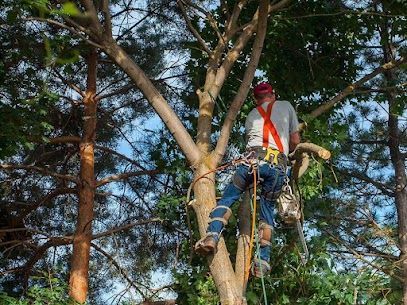
Safety Warning: Using chainsaws on ladders or attempting to prune large limbs without rigging is extremely hazardous.
Timing: Different species require different timing—for instance, pruning local Pacific Dogwoods or Fruit Trees at the wrong time can invite disease or ruin the next season’s bloom.
The Right Tools:
A professional arborist uses sterilized, surgical-grade tools to ensure clean cuts that heal quickly, preventing the rot often seen in DIY attempts.
The Vancouver Tree Care Calendar
Timing is everything in the Pacific Northwest. Use this guide to schedule your maintenance.
| Season | Focus Activity | Why It Matters |
|---|---|---|
| Late Winter (Feb–Mar) | Major Structural Pruning | Best time for most deciduous trees while dormant; minimizes sap loss and disease risk. |
| Spring (Apr–May) | Evergreen & Flowering Care | Prune spring-flowering trees (like Kitsilano’s Cherry Blossoms) immediately after they bloom |
| Summer (Jun–Aug) | Drought Stress & Thinning | Light "fine-tuning" only. Focus on deep watering for Western Red Cedars during dry spells. |
| Fall (Sep–Nov) | Risk Assessment | Avoid heavy pruning. Instead, inspect for weak v-forks before the November windstorms arrive. |
Vancouver Tree Bylaw "Cheat Sheet"
Navigating the City of Vancouver Protection of Trees Bylaw can be tricky. Here is what you need to know:
The 20cm Rule: You generally need a permit to remove any tree with a diameter greater than 20 cm (measured at 1.4m above the ground).
Pruning Limits: Vancouver regulations typically prohibit removing more than 25% of a tree’s canopy in a single growing season. Over-pruning can lead to "Emergency Orders" from the city.
Arborist Reports: For development permits or hazard claims, a formal report from an ISA Certified Arborist is mandatory. We provide these reports to help streamline your application.
Hedges: Even large hedges (like Laurel or Cedar) may be subject to height restrictions under neighborhood-specific zoning.
Local Threat Watch
Vancouver’s urban forest is currently facing specific challenges. Our pruning services include a health check for:
Emerald Ash Borer (EAB)
Confirmed in the Vancouver area recently, this invasive beetle is a high threat to local Ash trees. Early detection through canopy thinning and "D-shaped" exit holes is the only way to save a tree before it’s too late.
Sooty Bark Disease & Drought Stress
Our recent "Heat Domes" have stressed many native Bigleaf Maples. We look for dark, powdery patches on the bark—a sign of Sooty Bark Disease—and provide corrective pruning to help the tree recover.
Conifer Dieback
If the tops of your Western Red Cedars are turning brown, they are likely suffering from drought stress. We offer "Canopy Cleaning" to remove dead tops and advise on deep-root hydration systems.
Expert Tip: Watering Your Vancouver Trees
Even with our rainy winters, Vancouver summers are becoming increasingly dry. To support your trees after a pruning session:
Deep Soak: Use a soaker hose at the "drip line" (under the outer edge of the branches) rather than at the trunk.
Mulching: We recommend 2–4 inches of organic mulch to retain moisture, keeping it a few inches away from the bark to prevent rot.
Choose Vancouver Arborists For Trimming & Pruning
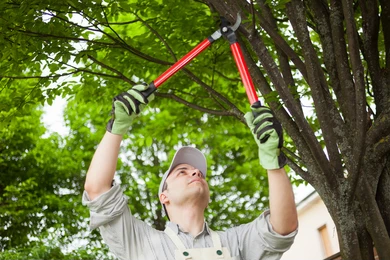
We understand that tree trimming can be a significant investment, so we offer competitive pricing and flexible scheduling to meet your needs. Our team will work with you to develop a customized tree-trimming plan that fits your budget and schedule. In addition to tree trimming services, we offer other tree care services, including tree removal, storm damage cleanup, mulching and emergency tree services. Our many positive customer reviews reflect our commitment to quality and customer satisfaction.
How often should I prune my trees?
It depends on the age of your tree. Newly-planted trees should not be pruned for the first 2-3 years.
After that, young trees should be pruned every 2 to 3 years, while mature trees will need to be pruned every 3 to 5 years.
Additional pruning may be done on an as-needed basis.
How will I know if my tree should be pruned?
Many times, you'll be able to see that tree pruning or trimming would be beneficial.
For example, branches may be hitting your roof or blocking a walkway, or you may notice dead or broken branches.
We have an article full of questions to ask before trimming a tree that can help you determine what steps to take.
Plus, you can always contact us for a tree consultation.
What are the benefits of properly pruning my trees?
Properly pruning your trees provides many benefits. It helps your trees live a longer and healthier life and helps trees that are still growing to develop good branch structure.
Your property value and curb appeal also increase with properly pruned and maintained trees.
Can I trim or prune my trees myself?
We don't recommend it. Between the heights involved and the dangerous equipment, the chance of injury (or worse!) is high.
Our tree professionals are thoroughly trained in safety procedures for tree care services.
We’re happy to answer any questions you may have and our experienced estimators will be able to walk you through how the job will be done and what it will take to do it right. You may be surprised by just how affordable quality tree work can be especially when you compare it to doing it yourself!
Do you top trees?
We do not top trees. This practice of cutting off the top of trees is detrimental to the tree, ends up costing the homeowner more, and is not considered good practice in the professional tree care industry.
Can my trees be pruned in winter?
Yes! With most trees dormant during the winter months, it is an ideal time to prune.
The lack of leaves on deciduous trees allows us to more clearly view the tree's structure, the frozen ground leads to less damage to your lawn, and most pests and diseases aren't active, so your tree is safe from infestations.
When is the best time to prune a tree?
There are different times to prune different trees, for example, most flowering trees should be pruned after they bloom, and Maples can be pruned most times of the year. It is best to discuss pruning with the estimator because every tree is unique in its placement on your property and it’s condition.
My tree is near power lines. Can you still prune it?
If a tree or limb is touching a power line, call us so we can evaluate whether it should be removed. If a limb has fallen onto a line, call us to remove it. For safety, do not attempt to remove any trees or tree limbs from power lines yourself!